
Repairing a tennis court requires precision and experience. Frequent missteps—like inadequate site preparation or the use of inferior materials—can compromise the court’s integrity and lifespan. This blog examines the most common errors in tennis court repair and highlights how professional services address these issues to ensure safety, performance, and durability.
Key Takeaways
- Proper site preparation is critical for a durable tennis court, as ignoring this step can lead to future structural issues and increased repair costs.
- Using high-quality materials and hiring qualified contractors are essential to ensure the longevity and performance of the tennis court, avoiding frequent repairs and surface degradation.
- Regular maintenance and timely crack repairs significantly enhance safety and playability, preventing costly damage and preserving the court’s functionality.
Ignoring Proper Site Preparation
The foundation of a resilient tennis court begins with detailed site preparation. Skipping this crucial phase often leads to surface failure, drainage issues, and structural cracking. Before any surfacing material is applied, the area must be leveled, compacted, and equipped with an adequate drainage system to maintain long-term stability.
An unstable base disrupts the performance of even the best top layers. When shifts occur beneath the surface, they manifest as warping, heaving, or cracking—creating dangerous play conditions. These issues cannot be corrected with simple resurfacing and require comprehensive remediation if not addressed at the outset.
Professional tennis court contractors mitigate this risk by performing soil analysis, grading adjustments, and sub-base reinforcement during initial preparation. This approach ensures a properly engineered surface that resists long-term stress, reduces the chance of premature repairs, and supports consistent ball bounce and player safety.
Using Low-Quality Materials
Substandard materials compromise the functionality and appearance of tennis courts. These materials are prone to early wear, fading, and surface failure, which escalates maintenance frequency and costs. Additionally, poor-quality components can undermine traction, drainage, and play consistency—impacting the user experience.
By contrast, using premium surfacing systems enhances longevity, color retention, and resilience to UV exposure and repeated play. High-performance acrylic coatings, cushion layers, and reinforced base aggregates are designed to endure heavy usage while maintaining smoothness and vibrancy.
While higher-grade materials may increase upfront expenses, they reduce the need for premature resurfacing and repairs. Partnering with professionals ensures that only tested, industry-grade materials are selected, delivering superior long-term value and performance reliability.
Overlooking Surface Cracks
Surface cracks often signal deeper problems within the court’s structure. These fractures, if neglected, can spread quickly and lead to significant damage that impacts playability and safety. Addressing cracks early is crucial to prevent extensive restoration work later.
Rather than relying on superficial fixes, experienced resurfacing specialists identify the root causes—whether due to subgrade movement, thermal expansion, or water intrusion. Solutions may include crack filling with specialized materials, installation of expansion joints, or complete overlay systems depending on the extent of the damage.
Professional intervention ensures precise repairs that blend seamlessly with the existing surface, reducing trip hazards and maintaining court aesthetics. Proactive management of surface integrity also prolongs the lifespan of coatings and minimizes disruption to court usage.
Improper Installation Techniques
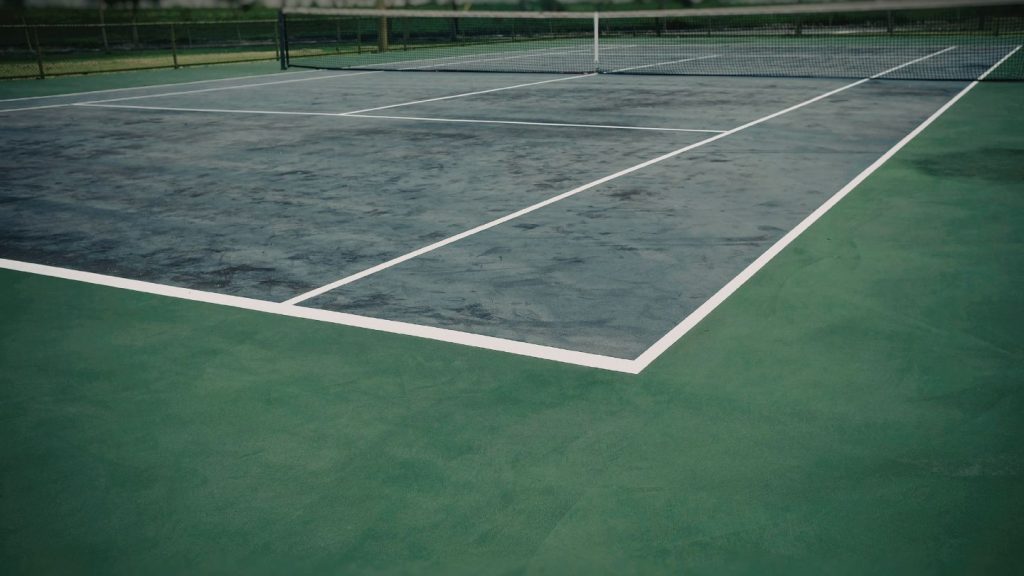
Errors during installation undermine structural integrity and surface performance. Courts that are not built to spec often exhibit poor drainage, inconsistent texture, and rapid surface degradation—resulting in ongoing maintenance issues and reduced player satisfaction.
Subpar installation methods—such as inadequate compaction, poor base material selection, or incorrect surfacing application—often stem from unqualified or inexperienced labor. These shortcuts lead to buckling, puddling, and failure of the playing surface under pressure.
Professional builders follow industry protocols for court layering, surfacing, and curing. Utilizing laser-guided equipment, calibrated materials, and strict quality control standards ensures uniform results. When executed correctly, these methods deliver a seamless surface that remains durable and visually consistent across all court zones.
Neglecting Regular Maintenance
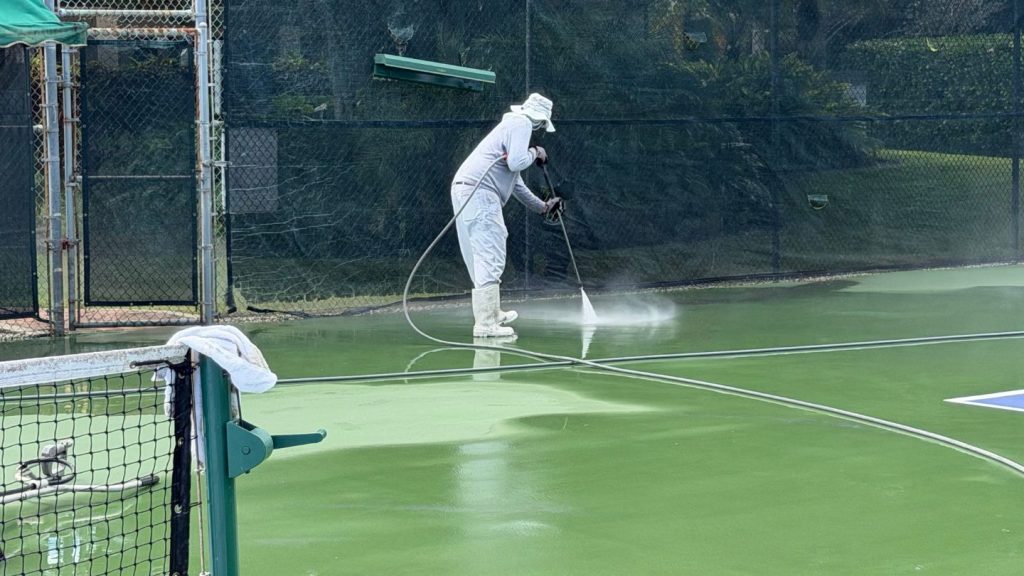
Ongoing maintenance is key to preserving surface performance and structural integrity. Without a proper maintenance plan, minor issues—such as surface fading, buildup of debris, and crack formation—can escalate into costly repairs and safety hazards.
Professional service providers conduct scheduled inspections and perform essential upkeep, including surface washing, debris removal, crack sealing, and repainting when necessary. This prevents the accumulation of organic material that can degrade surface coatings and affect drainage.
Timely intervention also preserves consistent ball bounce and minimizes slip risks. Structured maintenance not only supports a cleaner, safer court environment but also reduces the frequency and cost of major renovations over time, keeping the facility in optimal condition year-round.
Inadequate Drainage Systems
Effective drainage design is essential to prevent water accumulation, which degrades surfacing materials and compromises safety. Poor drainage can lead to ponding, surface erosion, and freeze-thaw damage, making courts unplayable after storms or during high-moisture periods.
Professionally installed courts incorporate sloping, perimeter channels, and sub-surface drainage features that redirect water efficiently. These systems prevent hydrostatic pressure buildup, foundation damage, and mold growth under acrylic coatings.
In addition to initial design, maintenance of drainage components—such as grates, catch basins, and surrounding areas—is crucial. Routine professional evaluation ensures blockages are cleared, preventing long-term water damage and ensuring uninterrupted play.
Choosing the Wrong Repair Contractor
Entrusting court repairs to inexperienced or underqualified contractors increases the risk of inferior outcomes and long-term expense. Mistakes made during repair—ranging from improper crack treatment to uneven surface finishes—can require rework within a short period.
Selecting a contractor solely based on cost rather than qualifications can result in the use of subpar materials, shortcuts in repair techniques, and non-compliance with tennis court construction standards. This not only shortens the life of the repair work but also creates potential liability issues.
Reputable contractors provide detailed proposals, demonstrate industry certifications, and follow proven protocols that enhance durability and performance. Partnering with such professionals ensures that repairs are done right the first time—eliminating guesswork and preserving the value of the tennis facility.
Misjudging Weather Conditions
Weather-related missteps during repair can compromise curing, bonding, and overall surface integrity. Temperature fluctuations, excessive moisture, and high humidity can all impact material performance and delay timelines.
Improper scheduling—such as applying coatings before rain or during cold snaps—leads to delamination, cracking, and inconsistent texture. Even UV-sensitive materials require careful monitoring to avoid rapid curing or discoloration.
Experienced contractors evaluate meteorological data and select optimal conditions for each phase of repair. Techniques such as using reflective coatings and staged curing processes help mitigate the impact of heat and moisture. Proper timing ensures surface durability and minimizes repair failure due to environmental factors.
Summary
To achieve success in tennis court repair, it is essential to engage experienced professionals. Every detail matters, from thorough foundational preparation and the use of superior materials to precise resurfacing, weather-aware scheduling, and effective maintenance strategies. Talbot Tennis provides comprehensive services that minimize costly mistakes and enhance your court’s performance, safety, and longevity.
If you’re looking for expert tennis court repair in Hilton Head, Talbot Tennis is your go-to choice. Our commitment to delivering outstanding results ensures that your court stays in prime condition for the long term. Contact us today to transform your court and experience unmatched quality and service.
Frequently Asked Questions
What’s the impact of poor sub-base preparation on tennis court longevity?
Insufficient sub-base prep can lead to surface instability, cracks, and drainage failure, drastically reducing court lifespan and playability.
How often should a professionally resurfaced court be maintained?
With regular professional maintenance, resurfaced courts typically require only light upkeep every 3–6 months and resurfacing every 4–8 years depending on use.
Can resurfacing fix all types of court damage?
No—resurfacing addresses surface-level issues but won’t correct foundational problems like subgrade instability or drainage flaws. Structural repairs may be required first.